Maasai Mara Safari Planning: What to Know Before You Go
The Mara means more than one place. Learn the difference between the reserve and its conservancies, how to get there, how long to stay and which questions to ask before you choose a camp.
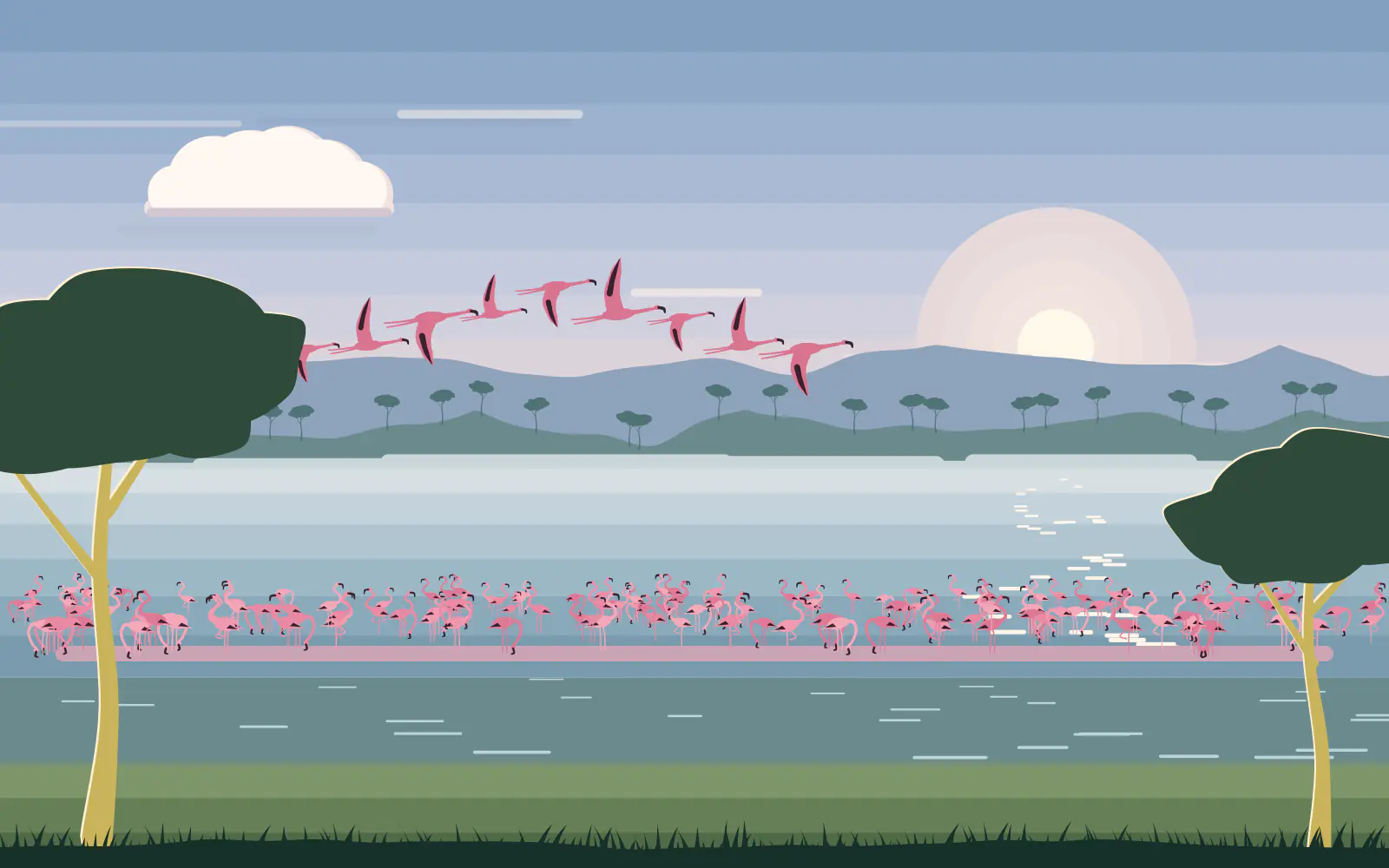
A shallow soda lake ringed by woodland, with birdlife, rhinos and sweeping views from the escarpment.
Overview
A compact, fenced park around a shallow soda lake in the Rift Valley, known for its birdlife, rhino conservation and lookout points over the water.
Lake Nakuru sits on the floor of the Great Rift Valley, a shallow, alkaline lake whose edges shift with the seasons and the rains. Around it, the national park protects a mosaic of open grassland, acacia woodland, rocky ridges and a rare stand of candelabra-like euphorbia trees. From the cliffs and lookouts above the water, the whole scene opens out: a pale, shimmering lake edged with green, with the escarpment of the Rift Valley rising behind.
The lake is famous for its flamingos, which feed on the algae that thrive in its soda-rich water. Numbers rise and fall dramatically, however, because water levels, the chemistry of the lake and the availability of food all change from year to year, and the birds move between the Rift Valley lakes. Some visits bring a pink fringe stretching along the shore; others find only a scattering. Neither flamingo numbers nor sightings can be promised, which is why it helps to go with a love of the whole landscape.
Beyond the flamingos, the lake attracts pelicans, cormorants, storks, avocets and many other waterbirds, and the surrounding woodland supports woodpeckers, hornbills, kingfishers and raptors. Hundreds of bird species have been recorded in the area, which makes the park rewarding for birdwatchers at almost any time.
The park is fenced and operates as a rhino sanctuary, where both black and white rhinos are protected. Rothschild's giraffes, buffalo, waterbuck, zebras and troops of baboons also live here, and leopards and lions inhabit the woodland, although they are not often seen. The compact size of the park means game drives are manageable and give a good sense of the whole area in a short time.
Lake Nakuru is within a few hours of Nairobi by road, depending on the route, traffic and stops, and it is often included as a stop on journeys toward the Maasai Mara, Mount Kenya region or western Kenya. A single night allows an afternoon and a morning in the park, while two nights allow a slower pace and time for nearby experiences. Many travellers combine it with Lake Naivasha and Hell's Gate, and the 3-day Lake Naivasha and Hell's Gate adventure shows how the area can be explored. For longer routes, read planning a multi-destination Kenya holiday.
Other lakes, such as Elmenteita and Bogoria, and the volcanic crater at Menengai lie nearby and can add variety if time allows. Park hours, gates and rules are managed by the Kenya Wildlife Service, so confirm current arrangements before you go.
Lodges and camps are found both inside the park and in the countryside around Nakuru. Those within the park place you close to the lake at dawn and dusk, while those outside may be quieter, with gardens and lake views. Think about how much driving you want to do each day and whether a swimming pool or family facilities are important.
Keep to the park tracks, give birds space at the shoreline and stay in the vehicle in areas where predators or rhinos may be close. Baboons are common and can be bold, so keep food out of sight. If you would like help fitting Lake Nakuru into a wider itinerary, plan your trip with us.
Highlights
Places, experiences and details that shape a visit to Lake Nakuru National Park.
Pelicans, cormorants, avocets, storks and other waterbirds gather around the shallow lake, with numbers that change from season to season.
Lesser and greater flamingos may feed along the shore, but their numbers depend on water levels and food and cannot be promised.
The fenced park protects both black and white rhinos, and sightings are possible although never certain.
A rare giraffe subspecies lives in the park's woodland and grassland, often seen browsing among the acacia trees.
Viewpoints high above the water give broad views over the lake, the escarpment and the surrounding Rift Valley.
A distinctive stand of candelabra-shaped trees gives the park an unusual and photogenic character.
Elmenteita, Bogoria and Menengai Crater provide scenic extensions for travellers who have extra time.
Things to do
What is possible depends on the season, the area and local rules, so confirm what is available for your dates.
Half-day or full-day drives along the lakeshore and through the woodland, led by a guide who can read the lake's mood.
Binoculars and a patient guide make the most of both waterbirds on the lake and forest birds in the surrounding trees.
Visit the clifftop viewpoints for panoramic photographs of the lake, with the light most flattering early and late.
Look for rhinos across the grassland, keeping your distance and following your guide's directions at all times.
Where conditions and park rules permit, a stop at Makalia Falls offers a cool, shaded break from the vehicle.
Stop at approved picnic spots for lunch with a view, remembering that baboons are watching for unattended food.
Plan your visit
General guidance to help you plan. Conditions, access and rules change, so confirm current details before you travel.
Lake Nakuru lies at altitude, so days are warm rather than hot and mornings and evenings can be cool. Rain falls mainly from roughly March to May and again from about October to December, with drier spells in between and in January and February. Lake levels and chemistry respond to the rains and vary from year to year, which in turn affects where the birds feed and how many gather. Because of this, flamingo numbers cannot be predicted. Check current conditions and any recent changes with your operator before you travel, and be prepared for showers at any time of year.
General seasonal guidance only. Conditions and availability vary from year to year, so ask for current advice before you book.
The park is close to Nakuru town, within a few hours of Nairobi by road, depending on the route, traffic and stops. It is a convenient stop between Nairobi, Lake Naivasha and the Maasai Mara, or on routes toward western Kenya. Roads inside the park are generally manageable but can be slippery after rain. Gate arrangements, opening hours and fees are managed by the Kenya Wildlife Service and can change, so confirm the current details with your operator or the Kenya Wildlife Service before you travel.
Bring binoculars, a warm layer for mornings, a hat and sunscreen. Keep food out of sight, because baboons are quick to take opportunities. Stay in the vehicle in areas where rhinos or predators may be close, and follow your guide's directions at viewpoints. Do not feed any animal. A telephoto lens is helpful for birds. Give flamingos and pelicans plenty of room at the shoreline, as disturbance can cause them to move off. Ask your doctor or a travel clinic about health precautions before you travel, and carry travel insurance.
Gallery

Location
Travel guides
Practical reading that relates to Lake Nakuru National Park.
The Mara means more than one place. Learn the difference between the reserve and its conservancies, how to get there, how long to stay and which questions to ask before you choose a camp.
Six decisions, taken in a sensible order, turn a vague idea of a safari into a plan: who is travelling, which region, how many nights, how you travel, what to expect and when to book.
“Lodge” and “camp” are loosely used words. A plain-English guide to the main types of safari accommodation, why location matters more than décor, and what to ask about meals, inclusions and comfort.
FAQs
Short answers to common questions. If yours is not here, just ask.
There may be, but flamingo numbers vary widely and cannot be promised. They depend on water levels, the chemistry of the lake and the availability of food, and the birds move between the Rift Valley lakes. Some visits bring a long pink fringe along the shore, while others find very few. The lake still offers pelicans, waterbirds, woodland wildlife and fine views, so it is worth visiting with open expectations.
The park is a fenced sanctuary that protects both black and white rhinos, so a sighting is possible. However, no one can guarantee it, because rhinos may rest in woodland or move across a large area. Your guide will use experience and knowledge of recent movements to look for them. Keep your distance, stay in the vehicle and follow instructions so that the animals remain undisturbed.
One night allows an afternoon drive and a morning drive, which is enough to see the main lake areas and viewpoints. A second night gives more time for birdwatching, a slower pace and side trips to places such as Menengai Crater or Lake Elmenteita. If Nakuru is part of a longer Rift Valley route, one night is often the practical choice.
Lake Naivasha and Hell's Gate National Park are popular companions, and Lake Elmenteita, Lake Bogoria and Menengai Crater lie within reach as well. Many travellers also use Nakuru as a stop on the way between Nairobi and the Maasai Mara. The right mix depends on how much time you have, how you like to travel and whether you prefer birds, scenery or active experiences.
Keep exploring
Destinations in the same region, or of a similar kind.
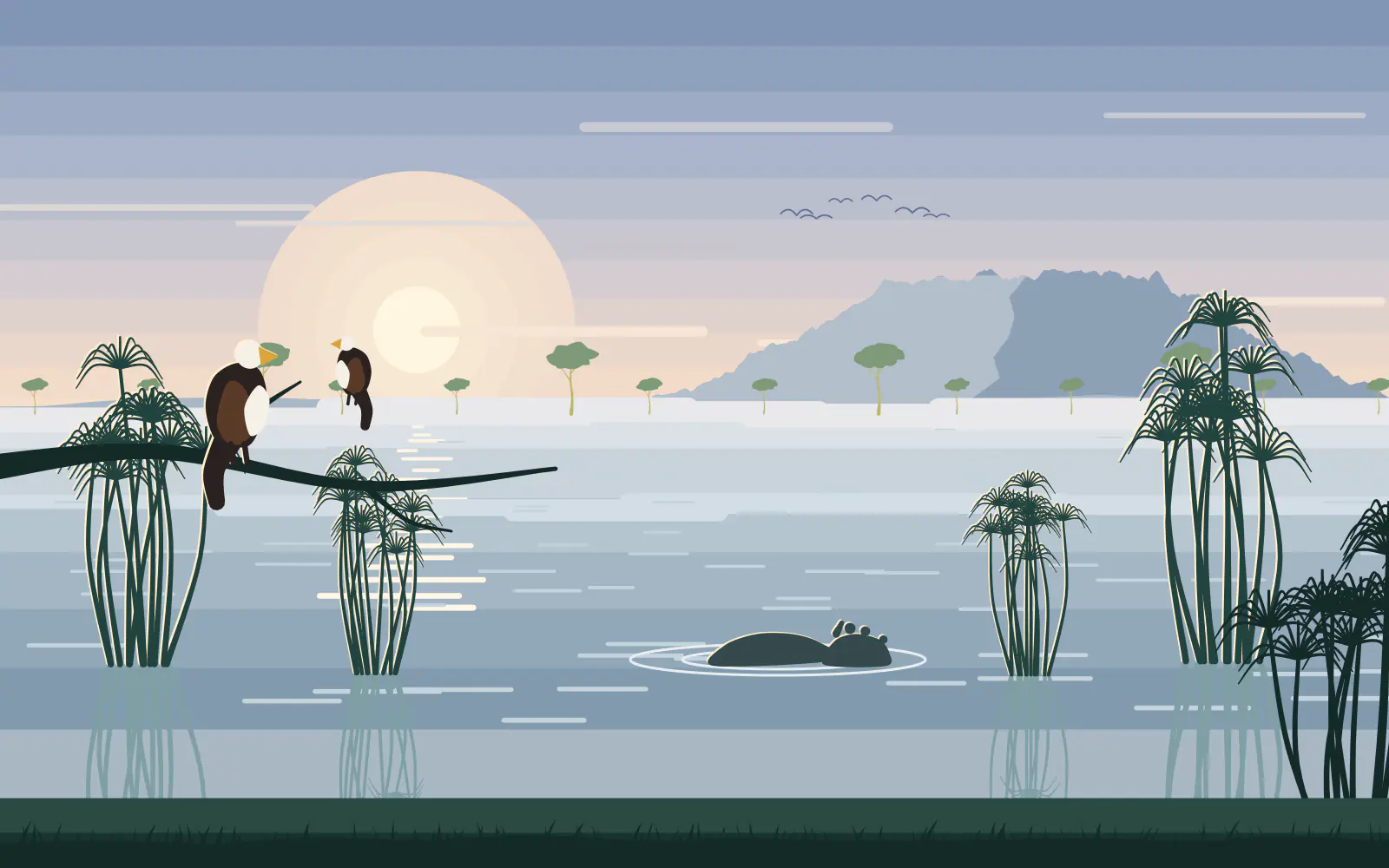
Central Rift Valley
A freshwater lake of papyrus shores, hippos, birdlife and lakeside gardens in the Rift Valley.
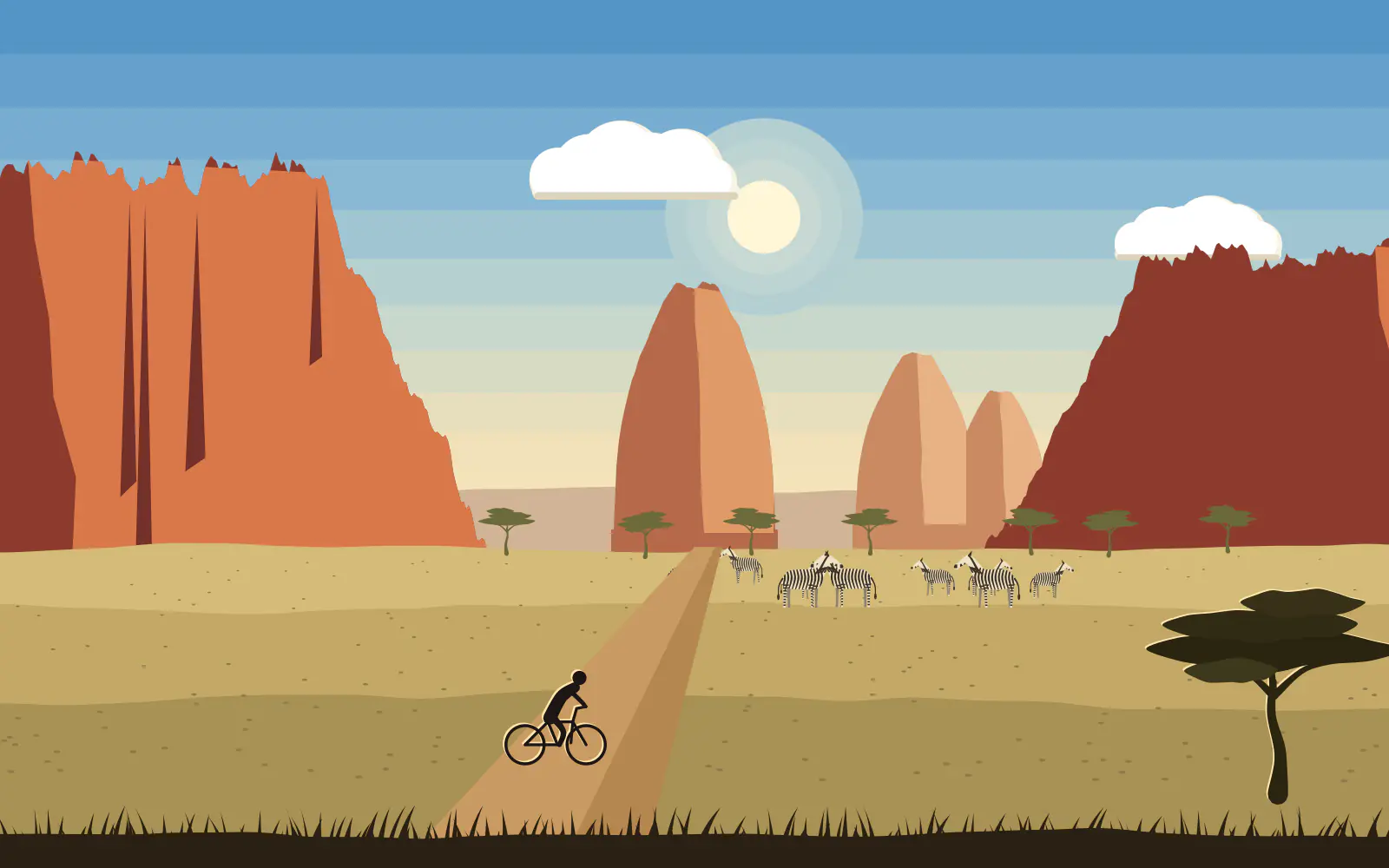
Central Rift Valley
Red cliffs, volcanic towers and a gorge you can explore on foot or by bicycle.
Plan your trip
We do not list a ready-made itinerary for Lake Nakuru National Park yet, but we can plan one around your dates, interests and pace. Tell us what you have in mind.