Nairobi & City Experiences
Nairobi
Nairobi National Park
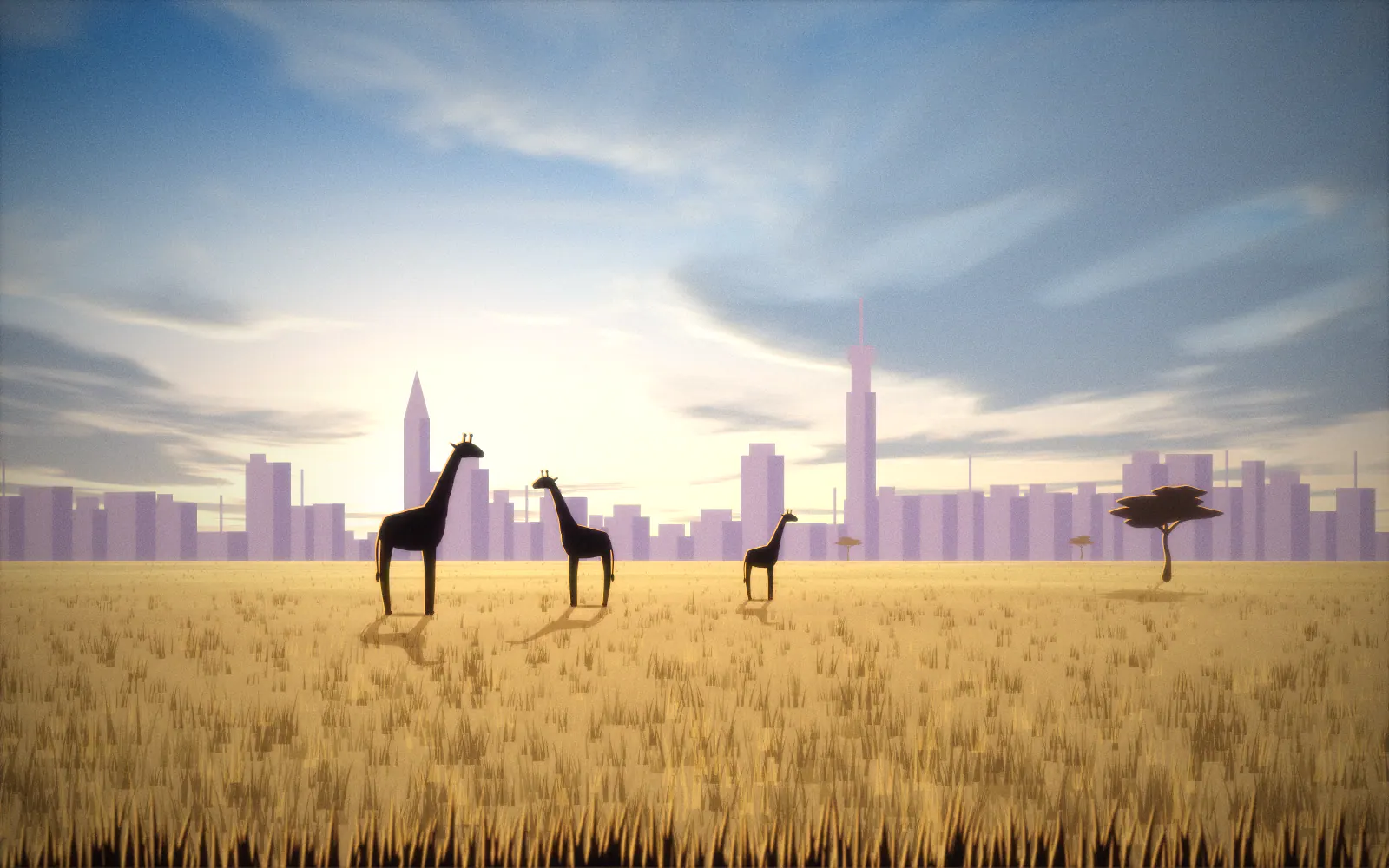
Real safari country on the edge of a capital city, with lions and giraffes against a skyline backdrop.
Kenya's lively capital, with museums, markets, forests, food and close encounters with wildlife.
Overview
Kenya's capital and main gateway, with museums, craft markets, leafy suburbs, restaurants and wildlife encounters that make a rewarding start or finish to a trip.
Nairobi is where most journeys to Kenya begin and end, but it deserves more than a transfer. It is a busy, creative, fast-moving city with a lively food scene, an active arts community and neighbourhoods that range from bustling commercial streets to quiet, tree-lined suburbs. Sitting at higher altitude than many visitors expect, it has a mild climate, and mornings and evenings can feel cool.
A day or two in the city adds context to a safari. It introduces Kenya's history, language, music and cooking, offers a gentle start before long journeys and gives a chance to adjust after a flight. It is a different kind of travel from a game drive, with more variety, more people and more choices.
The Nairobi National Museum explores the country's natural history, cultures and art, while the Karen Blixen Museum preserves the farmhouse of the Danish author of Out of Africa in a leafy suburb. Bomas of Kenya presents traditional music and dance from different communities. Karura Forest, a large urban forest with trails, waterfalls and cycling routes, offers fresh air within the city.
Craft shops and markets showcase beadwork, carvings, textiles and baskets. Markets reward patience and polite bargaining, and buying directly from artisans spreads benefits more widely. For food, try grilled meats, coastal-inspired Swahili dishes and Kenyan coffee in cafés and rooftop restaurants.
Two well-known animal experiences are found in the southwestern suburbs: a giraffe centre where visitors can feed and observe Rothschild's giraffes from a raised platform, and an elephant orphanage run by a wildlife trust, which usually opens to the public for limited visits and may need to be arranged in advance. These are conservation and education centres, not game drives. For wild animals in their natural habitat, see Nairobi National Park.
One night either side of a safari allows a comfortable pace, and a full extra day lets you see several sights without rushing. Traffic can be heavy, so group activities by area rather than crossing the city repeatedly, and allow generous time for the airport. International flights usually use Jomo Kenyatta International Airport, while Wilson Airport serves many domestic and charter flights, including some to safari airstrips, so check which one your flight uses. Popular areas to stay include Karen, Westlands, Gigiri and Kilimani. Our first-time guide to planning a Kenya safari and Kenya travel tips offer more practical notes.
As in any large city, stay aware of your surroundings, keep valuables discreet and use transport recommended by your accommodation or operator. Ask before photographing people, dress sensibly when visiting religious or community sites, and support local businesses and artisans where you can. To fit Nairobi into a wider route, plan your trip with us.
Highlights
Places, experiences and details that shape a visit to Nairobi.
The country's main international hub, with connections to national parks, the coast and the highlands.
Collections that explore Kenya's natural history, cultures and art in one setting.
The preserved colonial-era farmhouse of the author of Out of Africa, set in a leafy suburb.
A large urban forest with walking and cycling trails and waterfalls, a breath of fresh air in the city.
Beadwork, carvings, textiles and baskets are sold in markets and shops across the city.
Grilled meats, Swahili dishes, Kenyan coffee and a growing café and restaurant scene.
Educational centres where visitors can learn about giraffe and elephant conservation and see animals close up.
Things to do
What is possible depends on the season, the area and local rules, so confirm what is available for your dates.
Spend a few hours at the national museum or the Karen Blixen house to understand Kenya's culture and history.
Feed and observe Rothschild's giraffes from a raised platform, a popular activity for families.
A scheduled visit to see orphaned elephants being cared for, subject to opening hours and advance arrangements.
Explore forest trails, waterfalls and quiet corners by foot or bicycle.
Meet artisans and compare handmade goods, bargaining politely and respectfully.
Sample Kenyan flavours, from street snacks to restaurant dishes, with a local guide if you wish.
See traditional music and dance at a cultural centre, usually scheduled at set times.
Plan your visit
General guidance to help you plan. Conditions, access and rules change, so confirm current details before you travel.
Nairobi has a mild highland climate, with pleasant days and cool evenings. The long rains fall mainly in roughly March to May and the short rains in about October to December, while June to August can be cooler and cloudier and January to February warmer and drier. Rain can slow traffic and disrupt outdoor plans. Conditions vary from year to year, so check the forecast and confirm plans with your operator and accommodation before you travel, and carry a light jacket for evenings.
General seasonal guidance only. Conditions and availability vary from year to year, so ask for current advice before you book.
Nairobi is Kenya's main international gateway. Long-haul flights typically arrive at Jomo Kenyatta International Airport, while Wilson Airport handles many domestic and charter flights. Roads, rail and domestic flights connect the city with national parks, the coast and the highlands. Travel across the city can take much longer than the distance suggests, depending on traffic and the time of day, so allow generous time. Your operator can advise on transfers, airports and timings for your dates.
Plan activities by area to limit time in traffic. Use transport recommended by your accommodation or operator, and keep valuables out of sight. Carry a copy of your passport and keep the original secure. Dress comfortably in layers, because mornings and evenings can be cool. Ask before photographing people and market stalls. Check opening times for museums and animal centres, because some require advance arrangements. Keep a margin on departure days for traffic and airport procedures.
Gallery


Location
FAQs
Short answers to common questions. If yours is not here, just ask.
Popular options include the national museum, the Karen Blixen Museum, Karura Forest, craft markets, cultural performances and the city's restaurants and cafés. The giraffe centre and elephant orphanage offer close animal encounters in a conservation and education setting. How much you can fit in depends on traffic, so choose a few activities in the same area rather than trying to see everything.
One night either side of a safari is a comfortable minimum, giving time to rest after a flight or to settle before departure. An extra full day lets you visit several attractions without rushing. If you are only passing through, a few hours can still include a museum or a meal, but traffic and flight times need a generous margin.
No. The giraffe centre is a separate conservation and education facility in a suburb, where visitors can feed and observe giraffes from a platform. Nairobi National Park is a wildlife park with game drives in natural habitat. They are different experiences and are often combined in one day, but they have separate entrances, opening hours and rules.
The most reliable approach is to use transport arranged by your operator or accommodation, or a well-regarded ride service, and to avoid walking alone at night in unfamiliar areas. Keep phones and valuables out of sight in traffic, lock car doors and carry only what you need. Local advice on neighbourhoods is valuable, and hotels can offer current guidance.
International flights normally use Jomo Kenyatta International Airport, while Wilson Airport serves many domestic and charter flights, including some to safari airstrips. Always check which airport your flight uses, because the two are in different parts of the city and traffic between them can be slow. Your operator can confirm the airport and the check-in time.
Keep exploring
Destinations in the same region, or of a similar kind.
Nairobi
Real safari country on the edge of a capital city, with lions and giraffes against a skyline backdrop.
Plan your trip
We do not list a ready-made itinerary for Nairobi yet, but we can plan one around your dates, interests and pace. Tell us what you have in mind.