

Family Travel in Kenya: Practical Planning Advice
A family safari works best when pacing comes first. Advice on age policies, driving hours, health preparation, child-friendly places to stay and keeping children engaged between sightings.
In this guide 7 sections
A family safari can be one of the most rewarding trips you take together, or a few days of restless backseat misery. In our experience, the difference is almost always pacing. Get that right, and the rest, from the choice of camp to the wildlife itself, becomes much easier.
Begin with your youngest traveller
Age policies vary widely. Some camps welcome young children with family rooms and relaxed routines, while others set a minimum age for the property or for game drives. Activities such as guided walks, cycling, horse riding and boat trips often have their own age, height or ability limits, which differ between operators and parks. No activity is right for every child, so ask for the current policy in writing before you commit, and tell your planner the age of everyone travelling.
Pace the days and the miles
Children cope better with a few longer stays than with a trail of one-night stops. Two or three nights per base is a sensible starting point. Long road transfers are the usual downfall, because a day in a car can feel endless. Ask honestly how many hours you will spend driving, consider a light-aircraft flight for the longest legs, and plan stops with room to run around.
The same logic applies to game drives. A drive of a couple of hours may be plenty for younger children. Consider a shorter morning outing, a long midday break by the pool, and a second, lighter drive late in the day. With a private vehicle you can head back to camp whenever the mood changes, which is one of its quiet advantages for families.
A rhythm that suits many families looks something like this: a short early drive, a long breakfast, a swim, a rest and a read through the heat of the day, then a lighter afternoon outing and an early dinner. It sounds slow, and it is, but it leaves everyone with enough energy to notice what is in front of them.
Health: speak to a clinician early
Ask your doctor or a travel clinic about health preparation well before you travel. Malaria risk varies by area and season, and the advice for children, babies and pregnant travellers is specific, so please do not rely on general guidance. Ask also about routine vaccinations, sun protection, safe food and water, and what to carry in a family first-aid kit. Make sure your insurance covers everyone and the activities you plan.
Health advice and entry requirements change, so check current information with your health provider and the official sources listed in our travel requirements guide.
Choosing child-friendly places to stay
- Family rooms, interconnecting rooms or small cottages, so that nobody is sleeping in a corner of your bed.
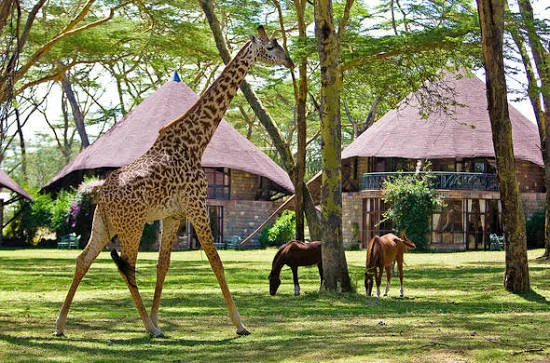
- Unfenced camps can be wonderful, but wildlife may pass through. Ask how staff escort guests after dark and how rooms are arranged for children.
- A pool and plenty of shade for the long midday break.
- Flexible meals, including early dinners, and the ability to cater for fussy eaters and allergies.
- Space to move, whether lawns, a play area or safe walking paths.
- Babysitting or children’s activities, if offered, so adults can enjoy a quiet evening.
Our guide to safari accommodation options explains the main types and what to ask about each.
Safety on safari and at camp
Explain the rules before the first drive, in words children will remember: sit down, keep quiet, hands inside, and nobody leaves the vehicle unless the guide says so. At camp, hold hands on paths after dark, follow staff escorts and never wander off to look at an animal. Ask your operator whether the vehicle has seat belts or child seats, as arrangements vary and can change, and discuss sun hats, water and shade for every drive. A calm briefing on the first day sets the tone for the whole trip.
Keeping children engaged
Give everyone a job. One child can be in charge of the binoculars, another keeps the species list, and a third is the official photographer. A small notebook for sketches, a feather collection that stays where it was found, or a quiz about the animals seen that day can fill the gaps between sightings.
Mix the days. A short trip to Nairobi National Park is a gentle introduction to game viewing for restless young travellers, and a few days on the coast give everyone space to play. Active options such as cycling and walking at Hell’s Gate have their own age and ability limits, so confirm the current park rules and operator requirements first.
Teenagers and grandparents
Teenagers often respond to responsibility, so let them choose a day’s activity or carry a proper camera. Travelling with grandparents is rewarding, but ask about steps, distances between rooms and the dining area, and how easy it is to climb into the vehicle. Most good camps can adjust if they know in advance.
When you are ready to begin, tell us the ages of your travellers and the pace you have in mind, or browse our tours to see how a family itinerary might look.