5-Day Amboseli and Tsavo Safari
Combine the open landscapes of Amboseli with the varied wilderness of Tsavo on a multi-day safari through two distinctive Kenyan safari regions.
Southeast Kenya
Volcanic hills, clear springs and rugged scenery on the Kilimanjaro side of Tsavo.
Overview
A varied park of lava flows, crater views, spring-fed pools and bush-covered hills, where scenery and wildlife share the stage.
If Tsavo East is defined by open space, Tsavo West is defined by texture. The park lies on the western side of the Nairobi to Mombasa road, closer to the Tanzanian border and the foothills of Kilimanjaro, and its scenery changes every few kilometres. Rocky ridges, thickets of acacia and commiphora, black lava fields, extinct craters and glimmering pools sit side by side, creating a landscape that rewards a slower, more curious style of travel.
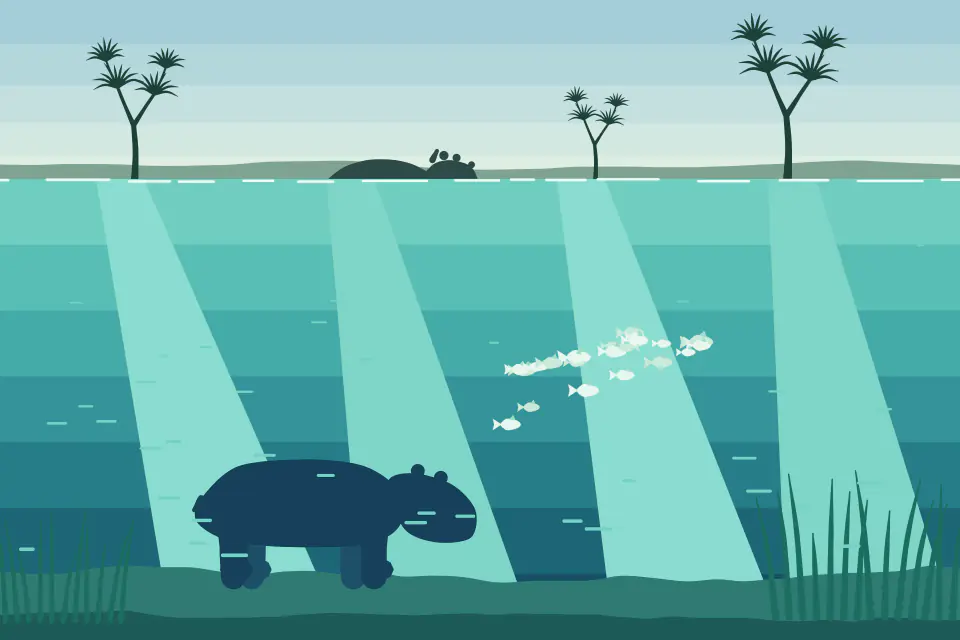
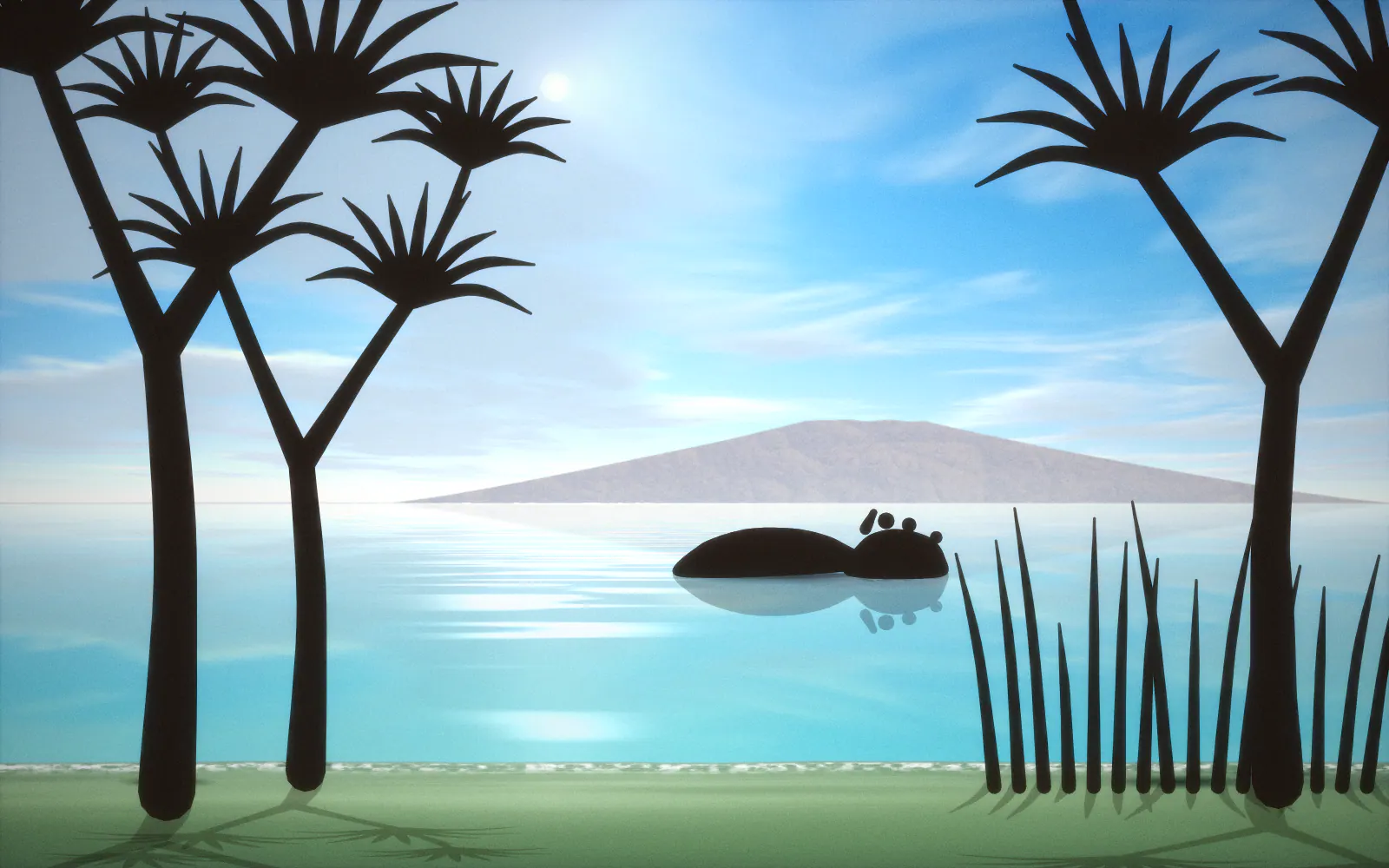
Its signature feature is the water. Rain falling on the Chyulu Hills seeps through porous volcanic rock and re-emerges at Mzima Springs as clear, cool pools that support hippos, crocodiles, fish and a lush belt of palms and fig trees. Reaching the springs and walking the paths is a highlight for many visitors, and the contrast with the dry bush around it is striking.
Game viewing in Tsavo West differs from that in the open plains. Denser vegetation and rolling terrain mean animals can be harder to spot, so success depends on patience, good guiding and an appreciation of smaller moments. Elephants, buffalo, giraffes, zebras and lions live in the park, along with a variety of antelope and primates. The Ngulia Rhino Sanctuary protects black rhinos in a fenced area, and while access and sightings depend on arrangements and luck, it is an important part of the park's conservation story.
Birdwatchers are well served too. Resident species are joined in the northern autumn by migrants passing through, and the Ngulia hills have long been used by ornithologists to study them. Lake Jipe, on the southern edge of the park near the Tanzanian border, adds waterbirds and the chance of a boat outing.
Tsavo West is usually the more convenient of the two Tsavo parks to pair with Amboseli, and it can be reached by road from Nairobi, the coast and the Tanzanian border. Allow two or three nights to explore the springs, lava and viewpoints without rushing, and remember that distances between attractions are longer than they appear on a map. The 5-day Amboseli and Tsavo safari shows how a shorter journey might combine the two, and you can compare the contrast with its neighbour on the Tsavo East page.
Lodges and tented camps stand on ridges with waterhole views or among the bush near the springs. Some sit just outside the park, where the Chyulu Hills border it and where private operators may offer horse riding or walking. Choose a base according to the activities you want, and ask how far it is from the gate you plan to use.
Hippos and crocodiles live at Mzima Springs, so never swim there, and follow the guidance of rangers and guides at all times. Take your litter with you, resist the urge to touch or remove lava rock, and follow current park rules, which your operator can confirm. When you are ready to start, plan your trip with us and we will help you choose a route.
Highlights
Places, experiences and details that shape a visit to Tsavo West National Park.
Clear pools fed by water filtered through the Chyulu Hills support hippos, crocodiles and fish, framed by palms and fig trees.
A dark field of cooled lava and a cave, usually explored with a guide, tell the story of the region's volcanic past.
An extinct cinder cone that can be climbed, where conditions allow, for views over the surrounding lava flow.
A fenced area that forms part of the conservation effort to protect black rhinos in Tsavo.
A shallow lake near the Tanzanian border with waterbirds, hippos and a quiet, remote atmosphere.
A hilltop viewpoint with wide views across the plains, favoured by travellers at sunset.
On clear days the mountain can be seen in the distance, adding scale to the landscape.
Things to do
What is possible depends on the season, the area and local rules, so confirm what is available for your dates.
Tracks wind through bush, ridges and open flats, and a patient guide will help you read the signs of wildlife in thicker cover.
Follow the paths and viewing points beside the pools, usually accompanied by a ranger, to watch hippos and fish.
Walk across the lava field and into the cave with a torch and a guide, taking care on uneven ground.
A short climb to the crater rim gives a panoramic view; wear sturdy shoes and expect sun exposure.
Where available, a boat trip can bring you close to waterbirds and hippos at a respectful distance.
Forest, scrub and water habitats attract a broad mix of resident and migrant birds, especially around the Ngulia hills.
Finish the day at a ridge or lookout, where the plains turn gold and the hills fade into layers of blue.
Plan your visit
General guidance to help you plan. Conditions, access and rules change, so confirm current details before you travel.
Tsavo West is warm for most of the year, with long rains in roughly March to May and shorter rains around November and December. Dry months, from roughly June to October and January to February, tend to make tracks firmer and bush thinner, while wet months turn the park green and can make some tracks slippery. Hills and springs hold their appeal through the year, but rainfall varies from year to year and between parts of the park, so check current conditions with your operator. Wildlife viewing is harder to predict in dense vegetation, and no season can promise particular sightings.
General seasonal guidance only. Conditions and availability vary from year to year, so ask for current advice before you book.
Tsavo West lies on the western side of the main Nairobi to Mombasa route, with gates that include the one near Mtito Andei, and further entrances toward Kilimanjaro and the Tanzanian border. Road journeys from Nairobi, the coast or Amboseli take several hours, depending on the route, traffic, road conditions and stops. Some visitors fly to airstrips arranged by their operator. Fees, gates and park rules are set by the Kenya Wildlife Service and change from time to time, so confirm them before you travel.
Wear sturdy closed shoes for the lava, a hat and sunscreen, and bring a torch for the cave. Carry water for walks, and follow your ranger or guide at Mzima Springs, where hippos and crocodiles are present. Binoculars help in dense bush, and patience matters more than speed. Keep to marked tracks and avoid disturbing the lava formations. Pack a warm layer for evenings on higher ground. Ask your doctor or a travel clinic about health precautions before you travel, and check that your insurance covers safari activities.
Tours
Itineraries that include Tsavo West National Park.
Amboseli National Park +1 more
Combine the open landscapes of Amboseli with the varied wilderness of Tsavo on a multi-day safari through two distinctive Kenyan safari regions.
Location
Approximate coordinates, for orientation only. Your operator confirms exact routes and transfers.
Open in maps (OpenStreetMap, opens in a new tab)Travel guides
Practical reading that relates to Tsavo West National Park.
Planning your trip 5 min read
Six decisions, taken in a sensible order, turn a vague idea of a safari into a plan: who is travelling, which region, how many nights, how you travel, what to expect and when to book.
Read the guide
Seasons & weather 5 min read
Kenya has no single best month. This guide explains the general pattern of dry and rainy seasons, what each means for wildlife, the coast and the mountain, and how to choose dates with open eyes.
Read the guide
Packing & preparation 5 min read
Pack for the cold, dusty hour before breakfast rather than the warm afternoon. A practical checklist covering bags, clothing, footwear, sun and insect protection, kit, documents, and what to leave at home.
Read the guideFAQs
Short answers to common questions. If yours is not here, just ask.
The park offers a range of sightseeing stops, including Mzima Springs, where paths lead beside clear pools, the Shetani lava flow and cave, Chaimu Crater and several viewpoints. Lake Jipe offers a quieter bird-focused outing where boats are available. Many of these activities involve walking, so sturdy shoes, sun protection and water are important. Your guide can help you choose a combination that suits the time you have.
It can be, because thicker bush and uneven ground make animals harder to see from a distance. That means the experience is often slower and more subtle, with rewards for patience and good guiding. Some travellers enjoy the variety of scenery and the sense of discovery, while others prefer open plains. Wildlife sightings are never certain in any park, so it helps to view the scenery and attractions as part of the experience.
No. Hippos and crocodiles live in the pools, so swimming is dangerous and is not appropriate. Visitors walk the paths and viewing points, usually with a ranger, and keep a safe distance from the water's edge. Follow the instructions of the ranger or guide, keep children close and avoid leaning over the banks. The springs are appreciated for their clarity, the vegetation and the animals that live there.
Tsavo West is generally the more convenient neighbour for travellers coming from Amboseli, as routes between the two are shorter than to Tsavo East. The exact time depends on the gates, the road conditions and where you stay, so your operator should confirm the route in advance. Some itineraries use Tsavo East instead, especially when the journey continues toward the coast.
Keep exploring
Destinations in the same region, or of a similar kind.
Southeast Kenya
Red earth, long horizons and the Galana River running through one of Kenya's widest wildernesses.
Southwest Kenya
Golden grassland, winding rivers and some of East Africa's most celebrated wildlife country.
Southern Kenya
Wide plains, elephant herds and Kilimanjaro on the horizon when the clouds part.
Plan your trip
Tell us when you would like to travel, who is coming and what matters most. We will help you choose between the itineraries above, or shape a different route.

Stay inspired
Travel tips, new itineraries and honest advice for planning Kenya — in your inbox. Unsubscribe whenever you like.
We use essential cookies to make this site work, and optional analytics cookies to improve it.