6-Day Kenya Safari and Beach Holiday
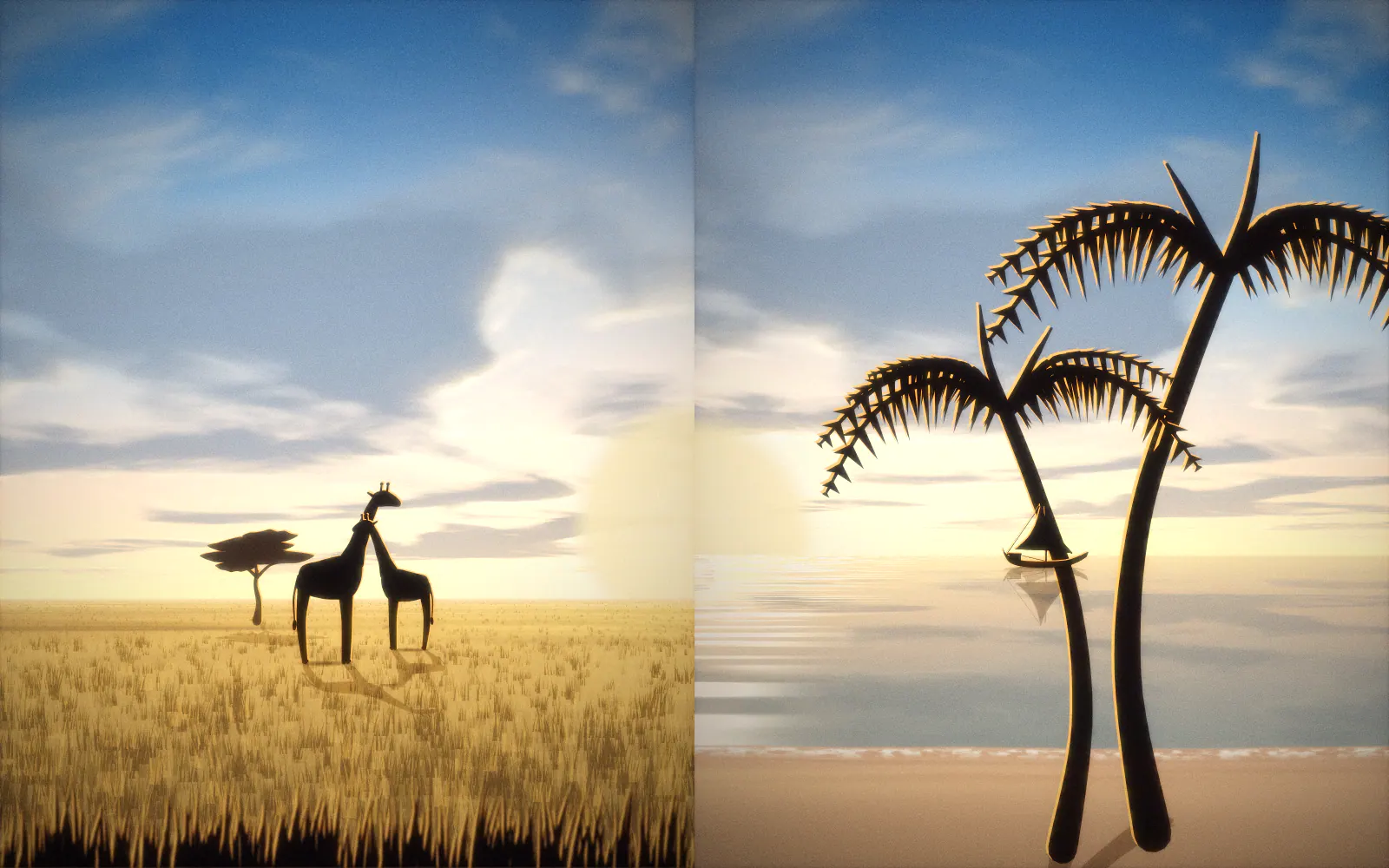
Combine a Kenyan wildlife experience with a coastal stay for a varied holiday that balances safari adventure with time beside the Indian Ocean.
Southeast Kenya
Red earth, long horizons and the Galana River running through one of Kenya's widest wildernesses.
Overview
A spacious park of flat plains, red soil and river corridors in southeast Kenya, where distance and open sky shape the safari.
Tsavo East is the larger and flatter half of one of Africa's biggest protected areas, and its appeal lies in sheer space. Dry-country bush and open plains stretch beneath an enormous sky, interrupted by the occasional rocky outcrop, a ribbon of palms along the Galana River and, in places, the long line of the Yatta Plateau, believed to be one of the longest lava flows in the world. After a few hours on the tracks, the usual measures of distance seem to stop applying.
The soil here is red, and so, often, are the elephants. They dust themselves with the earth, and the result is one of the most recognisable images in Kenyan wildlife photography. Male lions in the Tsavo area are often described as maneless or thinly maned, a trait that has added to the region's reputation for tough, resourceful predators.
The Galana River is the lifeline of the park. Hippos and crocodiles live in its waters, and at Lugard Falls the river tumbles over water-sculpted rock in a series of rapids and pools. Elsewhere, Mudanda Rock rises like a stranded whale beside a natural water catchment, where elephants and other animals may gather in the drier months, and man-made dams and waterholes provide further viewing points.
Alongside elephants and buffalo, the park supports giraffes, zebras, lions and smaller predators, together with dry-country species such as gerenuk, lesser kudu, fringe-eared oryx and dik-dik. Colourful starlings, weavers, hornbills and raptors reward anyone who looks beyond the large mammals. Sightings are never certain, and the thick bush can hide animals that are only metres away.
The park is huge, and the distances between its attractions are real. Most visitors enter by the southern gates near Voi, which lies beside the main Nairobi to Mombasa route, and a full day can be spent exploring the area around a single gate. Allow generous time for transfers, accept that some tracks become slow or impassable after heavy rain, and consider staying near the area you most want to explore rather than trying to cover everything.
Tsavo East works well as a stand-alone stay of two or three nights or as a link in a longer circuit. It sits conveniently between the coast and the inland parks, which is why it features in itineraries joining a safari with a beach stay. Our 5-day Amboseli and Tsavo safari and 6-day Kenya safari and beach holiday illustrate those combinations, and you can compare the park with its neighbour on the Tsavo West page.
Accommodation ranges from lodges overlooking waterholes to tented camps beside the river. Because the park is so large, the location of your camp matters more than in smaller reserves: a base near Voi suits shorter visits from the coast or the highway, while camps along the river offer a more remote feel and longer drives.
Heat can be intense, so carry plenty of water, wear sun protection and take a break in the middle of the day. Keep to the tracks, give elephants and buffalo a wide berth and follow the Kenya Wildlife Service rules. Park rules, gate arrangements and road conditions change, so confirm them with your operator before you travel. To explore how Tsavo East fits into a wider route, plan your trip with us.
Highlights
Places, experiences and details that shape a visit to Tsavo East National Park.
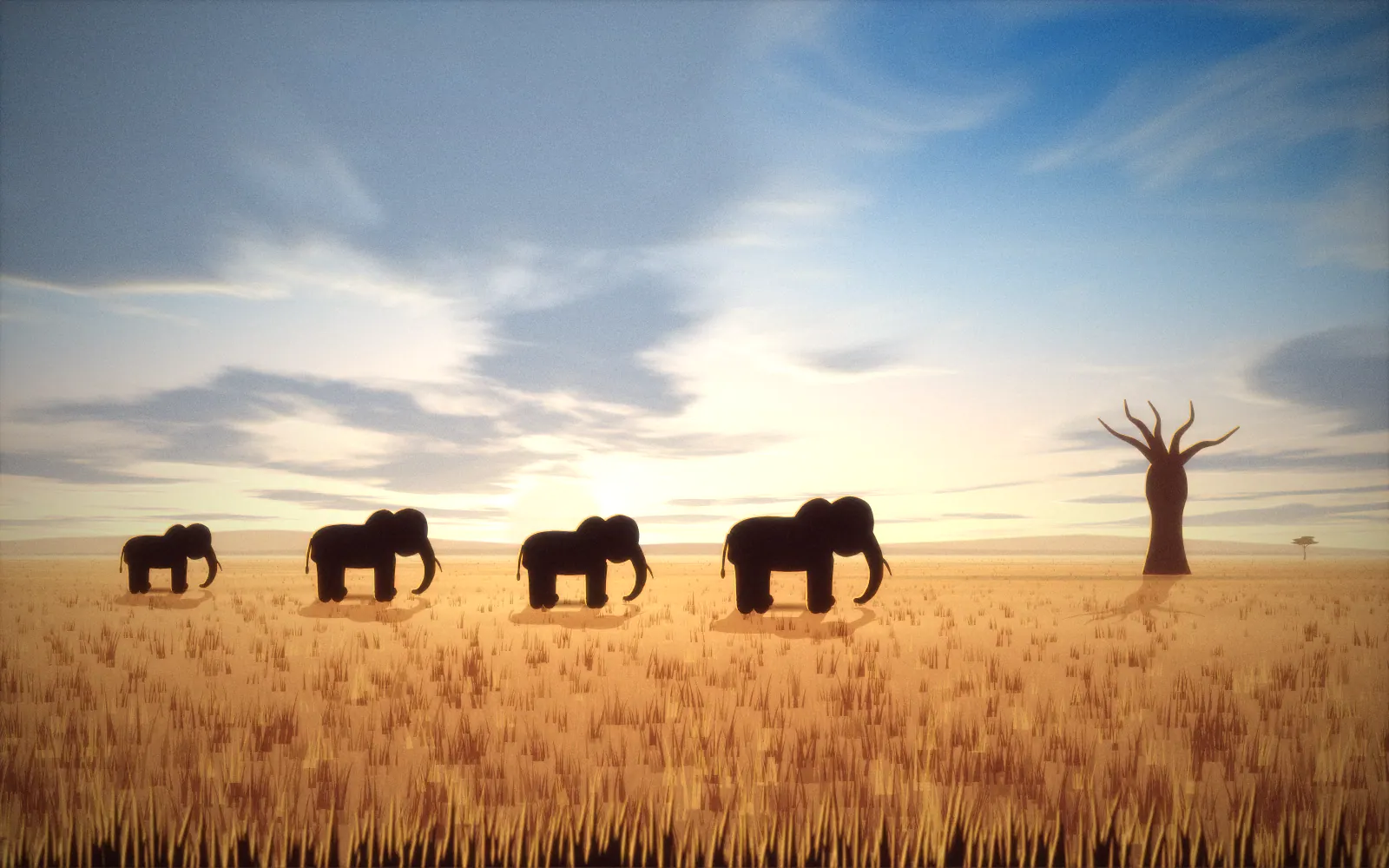
Elephants coated in the park's red dust are an iconic sight, and herds may gather around water in the drier months.
The river brings hippos, crocodiles, riverside birdlife and a green ribbon of palms through the dry bush.
A scenic stretch of rapids and rock pools on the Galana River, usually visited with a guide on foot at a marked viewpoint.
A long, whale-shaped outcrop with a natural catchment at its base, popular for wildlife viewing and photography.
One of the longest lava flows in the world forms a distinctive flat-topped ridge on the horizon.
Gerenuk, lesser kudu, fringe-eared oryx and dik-dik live in this arid habitat, along with many bird species.
Its position near the main road and rail route between Nairobi and Mombasa makes it a practical link in a safari-and-beach itinerary.
Things to do
What is possible depends on the season, the area and local rules, so confirm what is available for your dates.
Long morning and afternoon drives across open plains and along the river, guided by someone who knows the waterholes and tracks.
Stop at marked points to watch hippos, crocodiles and riverside birds, following your guide's advice about safe distances.
Walk to the viewpoint over the rapids and rock pools, with time for photographs and a short rest from the vehicle.
Climb or view the rock, where permitted, for a wide outlook over the catchment and the plains beyond.
Late afternoon light turns the dust and the animals to deep shades of red, which is especially rewarding for photographers.
Starlings, weavers, hornbills and raptors reward patient watching, especially around waterholes and along the river.
Plan your visit
General guidance to help you plan. Conditions, access and rules change, so confirm current details before you travel.
Tsavo East is hot and semi-arid, with a main rainy season from roughly March to May and shorter rains around November and December. Dry months, from about June to October and January to February, often mean dustier tracks, thinner vegetation and animals concentrated near water. After rain the bush turns green and dense, tracks can be slow, and animals disperse more widely. Rainfall varies considerably from year to year and between parts of the park, so check the current situation with your operator before you travel. No season can promise particular wildlife sightings.
General seasonal guidance only. Conditions and availability vary from year to year, so ask for current advice before you book.
The usual entry points are on the southern side of the park, near Voi, which lies beside the main Nairobi to Mombasa route; other gates serve different areas. From Nairobi the journey is a long road day, and from the coast it is several hours, depending on route, traffic and stops. Rail services along the corridor and flights to airstrips may also be options, subject to schedules arranged through your operator. Park rules, gates and fees are set by the Kenya Wildlife Service, so confirm them before you travel.
Drink plenty of water and keep a reserve in the vehicle. Wear light, long-sleeved clothing, a hat and sunscreen. Bring binoculars and a lens suited to distant subjects, and a dust-proof camera bag. Plan time for a break in the heat of the day. Do not leave the vehicle except at designated points and with your guide's agreement. Fuel and supplies are limited away from the main towns, so your operator should plan carefully. Ask a doctor or travel clinic about health precautions in good time, and carry insurance that covers safari travel.
Tours
Itineraries that include Tsavo East National Park.
Tsavo East National Park +1 more
Combine a Kenyan wildlife experience with a coastal stay for a varied holiday that balances safari adventure with time beside the Indian Ocean.
Location
Approximate coordinates, for orientation only. Your operator confirms exact routes and transfers.
Open in maps (OpenStreetMap, opens in a new tab)Travel guides
Practical reading that relates to Tsavo East National Park.
Seasons & weather 5 min read
Kenya has no single best month. This guide explains the general pattern of dry and rainy seasons, what each means for wildlife, the coast and the mountain, and how to choose dates with open eyes.
Read the guide
Packing & preparation 5 min read
Pack for the cold, dusty hour before breakfast rather than the warm afternoon. A practical checklist covering bags, clothing, footwear, sun and insect protection, kit, documents, and what to leave at home.
Read the guide
Destination guides 5 min read
Diani, Watamu and Lamu share warm water and palm-fringed shores but offer very different holidays. A comparison of their moods, practical matters common to all three, and how to pair the coast with a safari.
Read the guideFAQs
Short answers to common questions. If yours is not here, just ask.
Tsavo East is generally flatter, drier and more open, with long plains, red soil and the Galana River at its centre. Tsavo West is hillier and more varied, with volcanic landscapes, springs and denser bush. Many travellers prefer East for space and classic open-country game viewing, and West for scenery and a wider mix of attractions. The two sit on opposite sides of the main highway, and some itineraries include both.
Elephants often dust themselves with the soil around them, which helps to protect their skin from sun and insects. In Tsavo East the soil is red, so the dust gives the animals a distinctive rusty colour. Their natural grey returns after they bathe in water or after rain washes the dust away. Seeing red elephants is not guaranteed, but the park is well known for them.
Yes, many itineraries do. The park lies between the coast and the inland parks, so a safari here can lead naturally into a stay at Diani, Watamu or elsewhere. Transfers may be by road, and sometimes by rail or air, depending on the route. Schedules and connections change, so your operator should confirm the exact arrangement before you commit to any plan.
It can be, particularly for travellers who enjoy space, big skies and a quieter atmosphere than busier reserves. The park rewards patience, and distances are long, so it suits those who are comfortable with extended drives. If you want to maximise your chances of seeing a wide range of wildlife in a short time, discuss alternatives with your operator, who can compare options for your dates and interests.
Keep exploring
Destinations in the same region, or of a similar kind.
Southeast Kenya
Volcanic hills, clear springs and rugged scenery on the Kilimanjaro side of Tsavo.
Southwest Kenya
Golden grassland, winding rivers and some of East Africa's most celebrated wildlife country.
Southern Kenya
Wide plains, elephant herds and Kilimanjaro on the horizon when the clouds part.
Plan your trip
Tell us when you would like to travel, who is coming and what matters most. We will help you choose between the itineraries above, or shape a different route.

Stay inspired
Travel tips, new itineraries and honest advice for planning Kenya — in your inbox. Unsubscribe whenever you like.
We use essential cookies to make this site work, and optional analytics cookies to improve it.