

Choosing Between Kenya’s Coastal Destinations
Diani, Watamu and Lamu share warm water and palm-fringed shores but offer very different holidays. A comparison of their moods, practical matters common to all three, and how to pair the coast with a safari.
In this guide 8 sections
Kenya’s Indian Ocean coast is not one holiday but several. The three places most visitors weigh up, Diani, Watamu and Lamu, share warm water and palm-fringed shores, yet each feels quite different once you arrive. Choosing well means deciding what you want your days to feel like.
Three coasts, three moods
Diani Beach
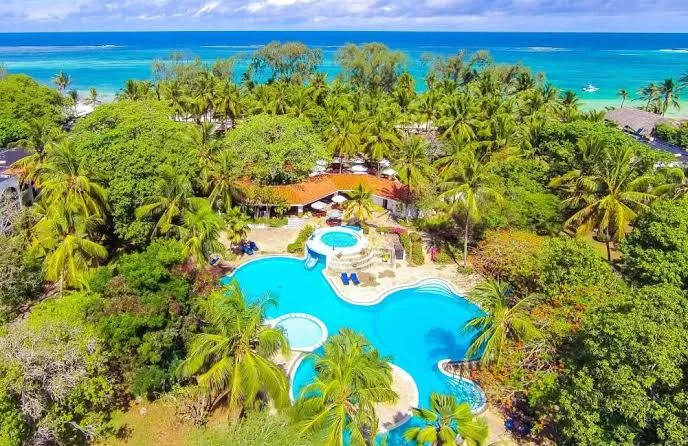
Diani is a long stretch of pale sand on the south coast, with the widest range of places to stay and things to do. Because the beach is so long, where you stay along it changes the feel of the holiday: some stretches are lively, with restaurants and watersports centres a short walk away, while others are quiet and secluded. Ask exactly where a property sits before you book.
The reef offshore tends to calm the water close to the beach, which suits snorkelling and diving, and kitesurfing is popular in windier months. Boat trips, forest walks and relaxed beachside restaurants fill out the days. Excursions such as the Shimba Hills or the marine park near Shimoni can often be added, depending on conditions and operator availability. Diani is also the easiest of the three to pair with a safari in southern Kenya. See the Diani Beach page and the 4-day Diani Beach escape.
Watamu
Watamu, further north, is smaller and quieter, with a bay sheltered by coral and a following among people who love marine life and nature. A protected marine area, local turtle conservation work, mangrove creeks, a coastal forest reserve known for its birds and the ruins of a medieval Swahili town nearby give it a more outdoorsy character than a classic resort strip. Tides shape the day, so swimming and snorkelling are timed around them.
Half-day outings to the ruins or the forest are easy to arrange, and a boat trip into the marine park is a highlight for many visitors, depending on tides, weather and operator availability. Watamu suits people who would rather spend a morning looking at fish, birds and mangroves than choosing between beach bars. Details are on the Watamu page.
Lamu
Lamu is the odd one out, and that is its charm. The island’s old town is a UNESCO World Heritage Site of narrow lanes, carved doors and coral-stone houses, where donkeys and dhows do much of the work that cars do elsewhere. The pace is deliberately slow. You come for architecture, history, sailing trips and long conversations rather than for a lively beach scene. Reaching Lamu usually involves a flight and a short boat transfer, and travel advice for any region can change, so check your own government’s current advice and ask your planner.
Most visitors stay either in a restored house in the old town, where rooftop terraces catch the breeze, or along the waterfront near Shela, which has a more relaxed seaside feel. Luggage is often carried by hand or donkey cart, so pack light. Please dress modestly in the lanes and ask before photographing residents. More is on the Lamu page.
What all three share
- Tides. They change what the beach looks like and when you can swim or snorkel comfortably. Local operators will tell you the best times each day.
- Monsoon seasons. Winds and rain shift through the year, affecting sea conditions, seaweed on some beaches and which months suit watersports. Heavy rain in the long-rains months can mean fewer open properties, so ask what to expect on your dates.
- Swimming safety. Follow local advice about currents, reef edges and where to swim, and wear reef shoes where sea urchins are a risk.
- Respect. Many coastal communities, especially in Lamu, are Muslim. Dress modestly in towns and be considerate about eating and drinking in public during Ramadan.
- Reef care. Do not stand on coral, touch turtles or buy shells and coral souvenirs.
How long to stay
A few nights is enough to feel the character of any of the three, and four or five lets you properly slow down. Lamu repays a longer stay than most, because slowing down is the point. Remember that reaching Watamu or Lamu from Nairobi involves a flight or a long road journey plus a transfer, so a single night rarely makes sense. Ask your planner for realistic door-to-door travel times before you decide how many nights to allow.
Pairing the coast with a safari
Many travellers do the safari first and finish on the beach, which is a pleasant way to unwind. Getting from the parks to the coast can be done by road, by rail between Nairobi and Mombasa, or by air, and each has its trade-offs in time, comfort and baggage. Schedules and rules change, so we confirm the plan in writing. The 6-day Kenya safari and beach holiday shows one way to combine them, and our guide to multi-destination holidays covers the logistics.
A quick way to decide
- Choose Diani if you want choice, watersports, a lively beach and an easy safari link.
- Choose Watamu if you are drawn to marine life, birds and a quieter bay.
- Choose Lamu if culture, history and slow days matter more than a classic beach resort.
Travelling with children? Diani usually has the widest choice of family-oriented properties, but policies and facilities vary everywhere, so ask each property about ages, pools and supervision. Our family travel guide has more to consider.
Still undecided? Tell us how you like to spend a day and we will suggest a stretch of coast to match, or browse our tours for ideas.