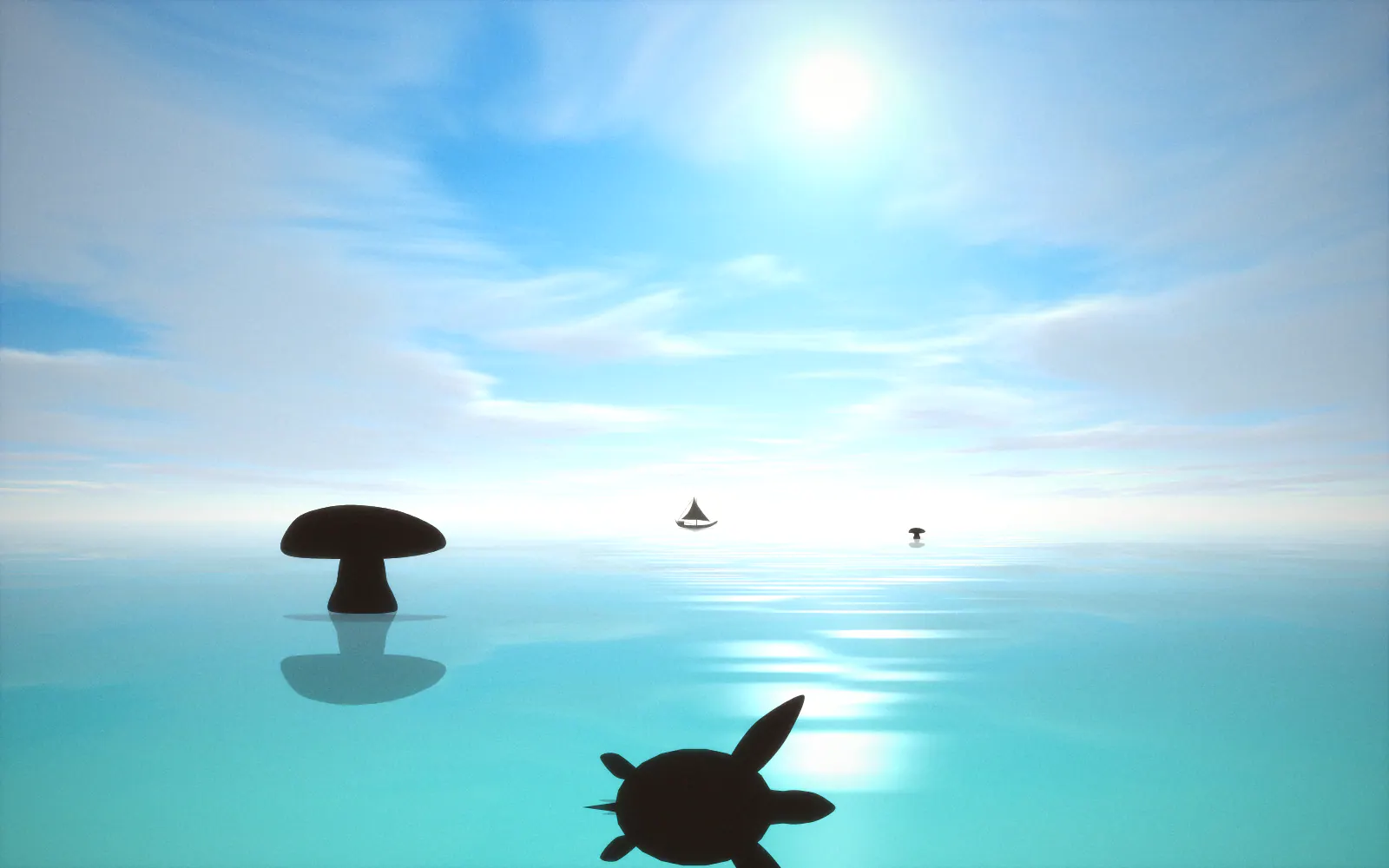
Illustration of a turquoise lagoon with mushroom-shaped coral rocks, a green sea turtle swimming in the clear shallows seen from above, small fish and a dhow on the horizon.

Watamu

Sheltered bays, coral gardens and coastal forest on a quieter stretch of the Kenyan coast.

Region
North Coast
Suggested stay
3 to 4 nights for a beach break; up to a week for a relaxed stay
A guide only. It depends on your route and interests.
Best time to visit
Read the seasonal guidance
Getting there
Read the access notes

Overview

About Watamu

A small coastal town on the north coast with sheltered bays, a protected marine park, mangrove creeks and coastal forest within easy reach.

A gentler stretch of coast

Watamu is a small, unhurried town on Kenya's north coast, a short distance from Malindi, built around a series of curving bays and coral-fringed headlands. White sand, turquoise shallows and pockets of palm-shaded shoreline give it a sheltered, intimate character, and the pace here is slower than at the busiest resort areas. Stays are spread across small hotels, villas, family-run guesthouses and larger beach resorts, and many visitors return for the combination of simple beach days and nature on the doorstep.

The sea is the focus. Watamu's waters are protected as a marine national park and reserve, and the reefs, seagrass beds and tidal pools support a rich variety of marine life. That protection also shapes how visitors are expected to behave: boats, snorkellers and divers work within park rules, and conservation is a visible part of local life.

Reef, turtles and creek

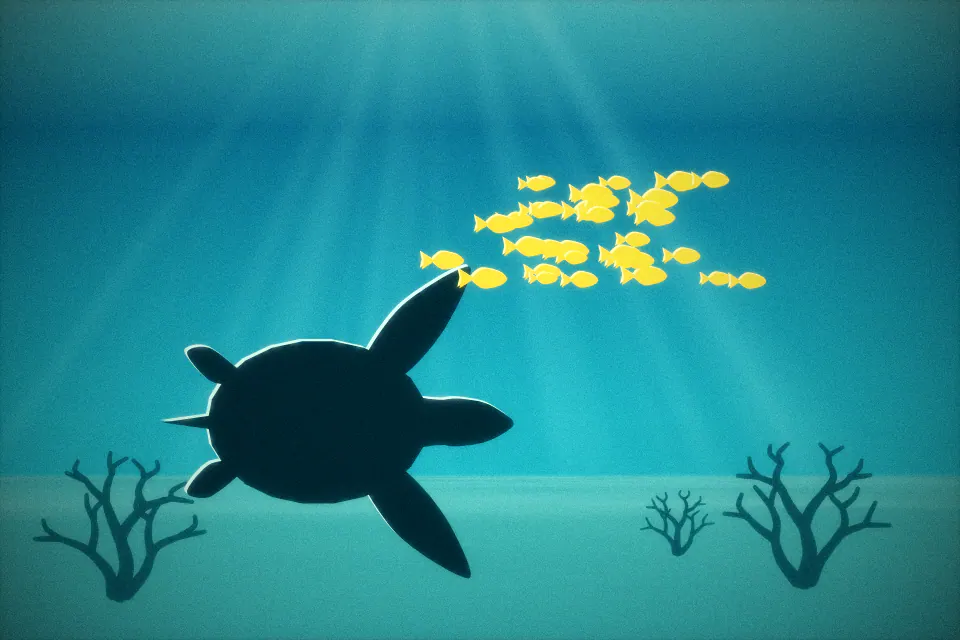
Snorkelling and diving trips visit coral gardens, and at suitable tides glass-bottom boats offer a view of the reef without getting wet. Sea turtles feed in these waters and nest on nearby beaches, and local conservation groups work to protect nests, rescue injured turtles and educate visitors. Seasonal visitors, such as humpback whales passing offshore in some months, are possible but unpredictable.

Mida Creek, a tidal inlet fringed with mangroves, is a sheltered place for a boat trip, a boardwalk stroll or birdwatching at low tide, when waders feed along the mudflats. Marine activities of every kind depend on weather, tides, sea conditions and the availability of the operators who run them, so travel with flexible expectations.

Forest and ruins

Inland from the beach, Arabuko-Sokoke Forest protects a significant remnant of the coastal forest that once covered much of East Africa's coast. It is known for rare birds, butterflies and small mammals such as the golden-rumped elephant shrew, and guided walks reveal details that are easy to miss. Nearby, the ruins at Gede preserve the remains of a medieval Swahili town hidden among forest trees, offering a quiet glimpse of the coast's long trading history.

Planning your stay

Many visitors reach Watamu by road from Mombasa or Malindi, or by air to Malindi followed by a transfer. Journey times depend on traffic, road conditions and the route, so confirm them with your operator. Three or four nights give a beach break with one excursion; a week allows for the forest, creek and reef at an easy pace. Compare the coast's resort areas in choosing between Kenya's coastal destinations, and look at Diani Beach and Lamu as alternatives.

Protecting the marine environment

Take extra care in this protected area. Do not stand on or touch coral, keep clear of turtles, never chase or feed marine life and avoid buying souvenirs made from shells, coral or turtle products. Use reef-safe sunscreen and take all waste away with you. If you see turtle nests or hatchlings, follow the guidance of the local conservation team, keep lights off and stay well away. Choose operators who follow marine park rules and brief guests properly, and confirm current regulations with the Kenya Wildlife Service. To plan a coastal stay that suits you, plan your trip with us.
Highlights

Highlights of Watamu

Places, experiences and details that shape a visit to Watamu.

  • Protected marine park

    Coral gardens, seagrass beds and tidal pools sit within a protected marine area with its own visitor rules.

  • Sheltered bays

    Curving bays give calm swimming at suitable tides, with a quieter feel than larger resort areas.

  • Turtle conservation

    Local conservation groups protect nesting turtles and care for injured ones, and visitors can learn about their work responsibly.

  • Mida Creek

    A mangrove-fringed tidal inlet for boat trips, boardwalk strolls and birdwatching as the tide drops.

  • Arabuko-Sokoke Forest

    A coastal forest remnant home to rare birds, butterflies and small mammals, rewarding to explore with a guide.

  • Gede ruins

    The remains of a medieval Swahili town in the forest, with walls, houses and a mosque to explore.

  • Snorkelling and diving

    Reef trips offer encounters with colourful fish and corals, depending on weather, tides and visibility.

Things to do

Things to do in Watamu

What is possible depends on the season, the area and local rules, so confirm what is available for your dates.

  • Snorkelling trips

    Boat trips visit the reef at suitable tides, with guides who explain the marine park rules before you enter the water.

  • Diving

    Qualified operators run dives and courses on the reefs, subject to sea conditions and visibility.

  • Glass-bottom boat trips

    View coral and fish from the boat at low tide, a gentle option for those who prefer to stay dry.

  • Mida Creek visit

    Walk the boardwalk or take a boat among the mangroves, particularly rewarding for birds at low tide.

  • Arabuko-Sokoke guided walk

    A guide helps you find birds, butterflies and small mammals in the shaded forest.

  • Gede ruins visit

    Wander the stone remains of a Swahili town beneath the trees, with a guide to explain what you are seeing.

  • Turtle conservation visit

    Learn from local conservation staff about rescue and nest protection, following their rules around any animals.

  • Dhow sailing and sandbank trips

    Sail along the coast on a traditional boat, with trips depending on tides, wind and operator availability.

Plan your visit

Planning a visit to Watamu

General guidance to help you plan. Conditions, access and rules change, so confirm current details before you travel.

Best time to visit

Watamu is warm and humid all year. The long rains usually fall between roughly April and June, with shorter showers around October and November, while the drier months are typically warmer and calmer. Seasonal winds change the sea, with some months bringing rougher water and more seaweed on the beaches. Visibility for snorkelling and diving varies with the tides, wind and recent weather. Because patterns vary from year to year, check current conditions with your operator and your accommodation, and treat all marine plans as dependent on weather, tides and operator availability.

General seasonal guidance only. Conditions and availability vary from year to year, so ask for current advice before you book.

Getting there

Watamu is on the north coast, between Mombasa and Lamu. Many visitors travel by road from Mombasa or fly to Malindi and transfer by road, with journey times that depend on traffic, road conditions and the route. Some itineraries link the coast with safari destinations by road, rail or air. Because schedules and conditions change, ask your operator to confirm the arrangements for your dates. Marine park rules, entry arrangements and fees are managed by the Kenya Wildlife Service and can change, so check before you travel.

Travel tips

Wear reef-safe sunscreen and a rash vest, and do not touch or stand on coral. Listen to your boat crew about tide and weather, and keep plans flexible. Choose operators who explain marine park rules and keep a respectful distance from turtles and other wildlife. Do not buy products made from shells, coral or turtle. Carry a refillable water bottle and take waste away with you. Dress modestly away from the beach, particularly in towns and villages. Seek advice from a doctor or travel clinic about health precautions, including malaria, before you travel.

Location

Where to find Watamu

Region
North Coast
Coordinates
3.35° S, 40.02° E

Approximate coordinates, for orientation only. Your operator confirms exact routes and transfers.

Open in maps (OpenStreetMap, opens in a new tab)

Travel guides

Guides to read before you go

Practical reading that relates to Watamu.

All travel guides
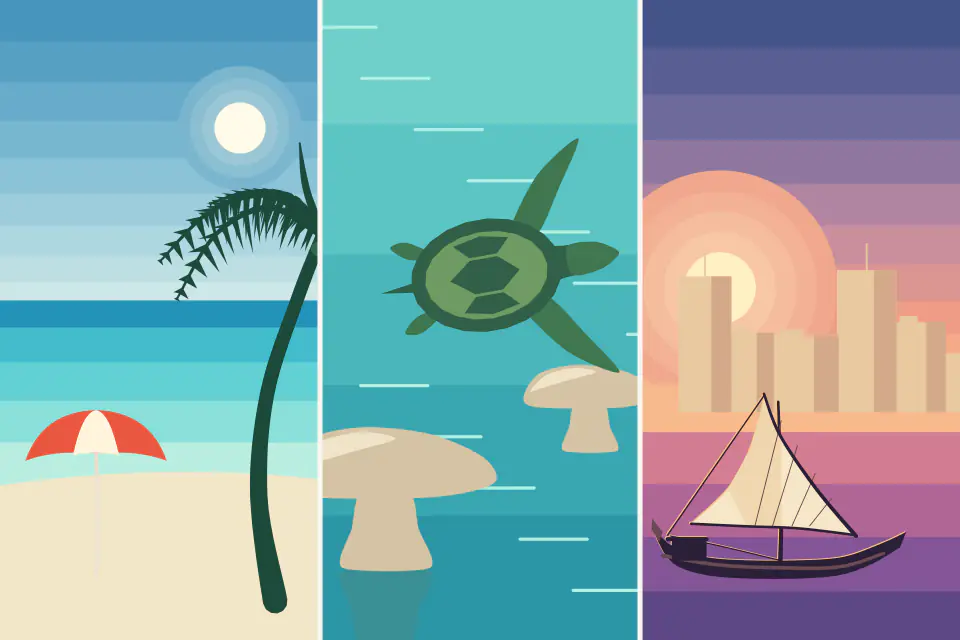
Illustration of three vertical panels: a white beach with an umbrella and palm, a turquoise lagoon with a turtle and coral rocks, and a sunset dhow beside old coral-stone houses.

Destination guides 5 min read

Choosing Between Kenya’s Coastal Destinations

Diani, Watamu and Lamu share warm water and palm-fringed shores but offer very different holidays. A comparison of their moods, practical matters common to all three, and how to pair the coast with a safari.

FAQs

Questions about Watamu

Short answers to common questions. If yours is not here, just ask.

Ask a question
How should I behave around turtles and coral in Watamu?

Keep a respectful distance from turtles, do not touch or chase them and never stand on or break coral. If you come across nesting sites or hatchlings, follow the instructions of local conservation staff, avoid lights and stay clear of the nest. Choose boat operators who brief guests on marine park rules, and avoid buying souvenirs made from shells, coral or turtle products.

What can I do in Watamu besides lie on the beach?

Watamu offers reef excursions, glass-bottom boat trips, a mangrove creek for birdwatching, a coastal forest with rare species and the ruins of a medieval Swahili town at Gede. Guided walks, dhow outings and conservation visits are also possible. Which activities run depends on tides, weather and operator availability, so build flexibility into your itinerary.

Do snorkelling and diving trips run every day in Watamu?

Not necessarily. Trips depend on tides, wind, sea conditions, visibility and the schedules of individual operators, and may be cancelled or changed at short notice for safety. In some months the sea is rougher and less clear. Ask your accommodation or operator what is running during your stay, and avoid fixing a single day as the only chance for an important activity.

How does Watamu differ from Diani Beach?

Watamu is generally smaller and quieter, with sheltered bays, a marine park, a mangrove creek and a coastal forest close by. Diani is a longer beach with a wider range of resorts and water sports. Both depend on tides, weather and seasons. Your choice may turn on how you like to spend your days, how far you are travelling and how you want to combine the coast with a safari.

Keep exploring

More places to explore

Destinations in the same region, or of a similar kind.

All destinations
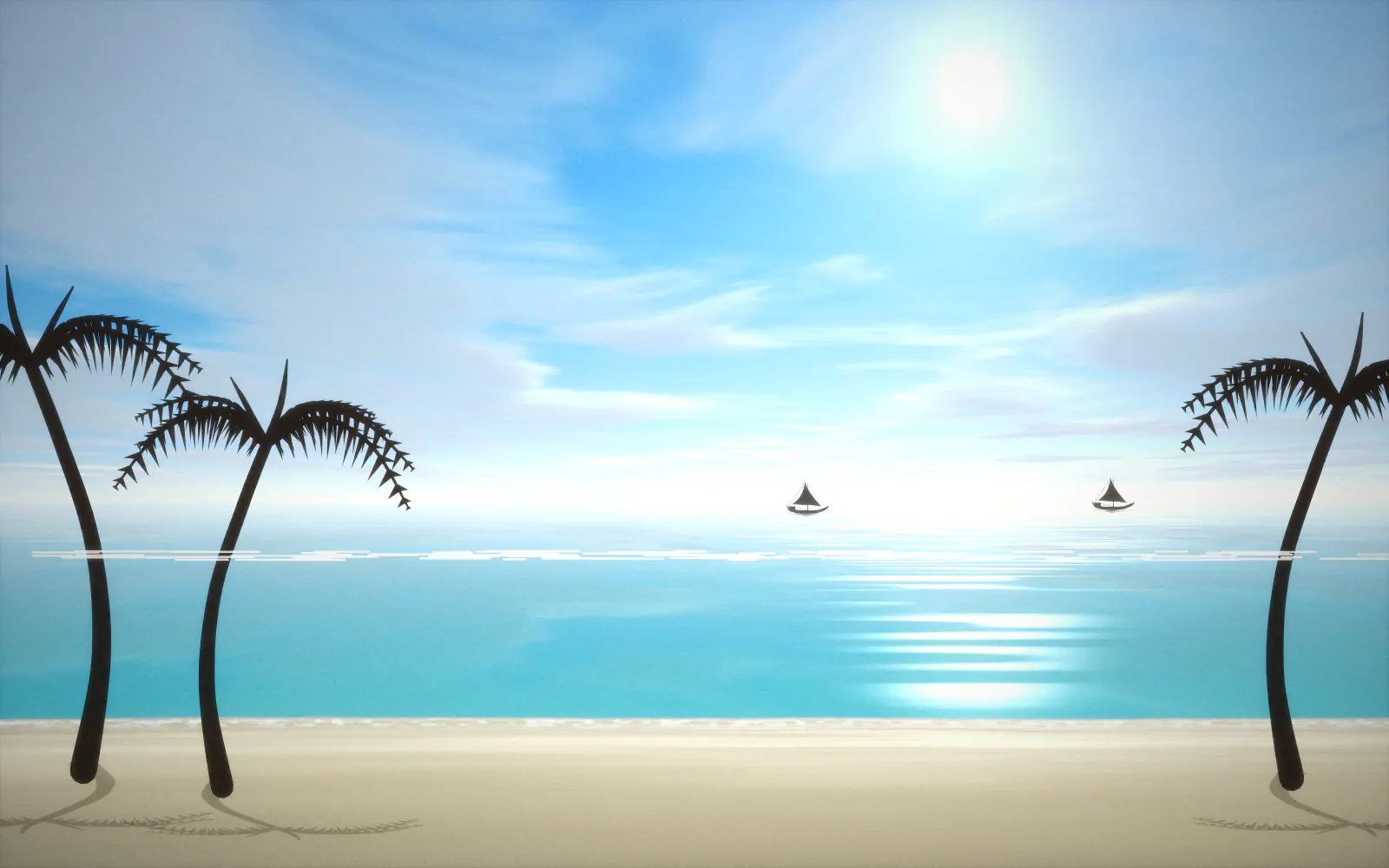
Illustration of a white-sand beach lined with coconut palms on a bright day, turquoise water stepping out to a foaming reef and small dhows sailing on the horizon.
Beaches & Coastal Escapes

South Coast

Diani Beach

White sand, swaying palms and a warm Indian Ocean lagoon on Kenya's south coast.

Plan your trip

Planning a trip to Watamu?

We do not list a ready-made itinerary for Watamu yet, but we can plan one around your dates, interests and pace. Tell us what you have in mind.

Stay inspired

Join our travel community

Travel tips, new itineraries and honest advice for planning Kenya — in your inbox. Unsubscribe whenever you like.

Chat with Voyara

Automated answers from our approved FAQs and your own bookings. A person reads everything you send to the team.